Where are you from?
A simple question that should have a simple answer, but it
does not.
For example, if I were to ask an Asain-American or
African-American that question they could say many different things.
I’m from this city, I’m from America, I’m from this country,
and I live in this area or county would be some of the possible answers. I just
finished my Mixed Race America today, and we talked about how this question
could be offensive, even racist.
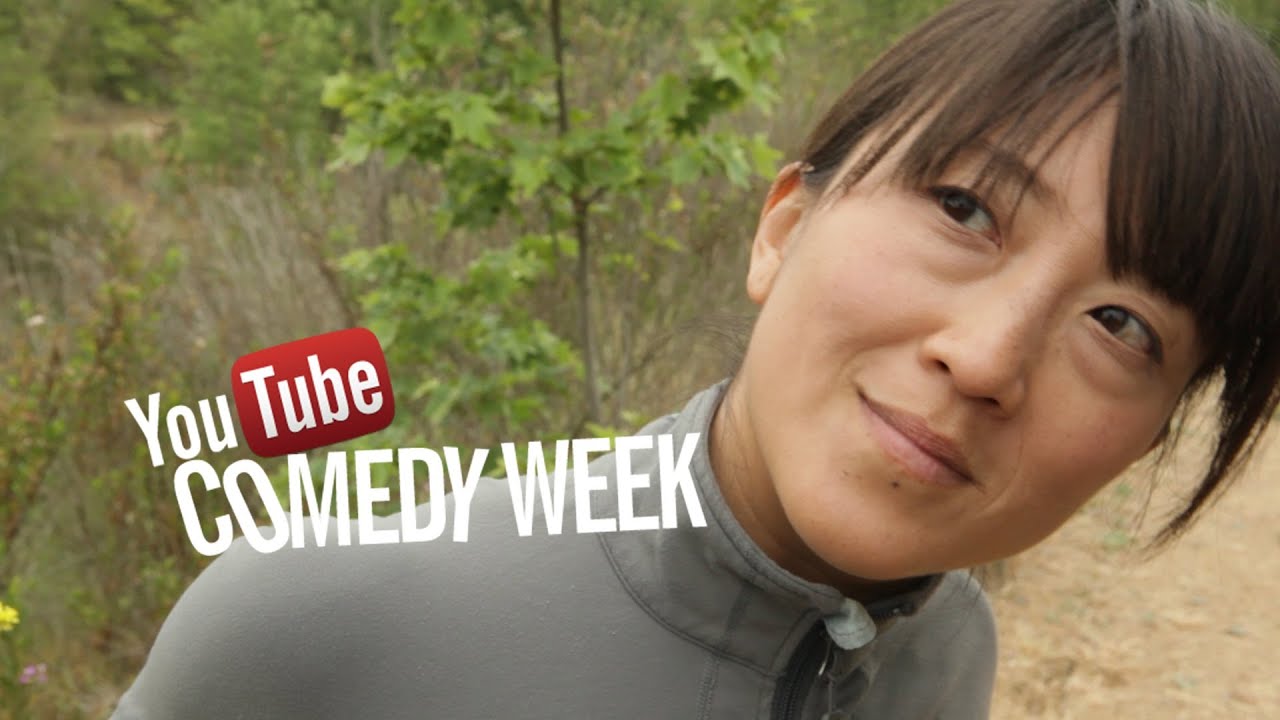
The “What
kind of Asain are you?” video on YouTube demonstrates how a simple,
friendly question from one person may be seen as discriminatory to the receiver.
The person asking the question may not understand that they are being
offensive, but the video allows viewers to see the typical conversation from
the 3rd person. By doing this, the video shows how the conversation
is offensive.
Racism is a tough issue to discuss, but this video is able to openly discuss the issue of race in a creative, funny way. Instead of posting an article about how these types of conversations are racist or offensive, the video is able to show people what actually occurs and how the people in the situation actually felt. If you read an article from me about a situation similar to this, you would have to use your imagination to create the scenario, but your creation or thoughts will already be flawed. You will not add the people’s body language into your scenario and your scenario would not actually help you understand the wrongness of asking “Where are you from?”
Just like in the video, if you ask someone where they are
from, they will probably respond in way or fashion that you were not expecting.
If you want to know what someone’s ethnicity is, try asking: “What is your
heritage?” or “What is your ethnicity?”
We live in a world today where a lot of people are too
cautious and shy to talk to others openly about race, but asking or phrasing
sentence in a correct and friendly way will help people learn to talk openly
about their differences.
No comments:
Post a Comment