Have you ever pronounced a word and been made fun of for not saying it correctly? Have you made fun of someone else for fumbling over words or pronouncing a word differently than you would?

I have, and I will bet you have too.
But, should we make fun of others for not communicating a
specific way?
Human communication or connection
is such a simple and everyday thing that people seem to forget that it is difficult
to understand. Have you ever been in a conversation and cannot find the words
to express how you feel or explain something? Wanting to explain or share your
own personal opinions, beliefs and experiences to others is rather difficult.
No one will ever experience something in the same manner or way as yourself,
and sharing that experience will not allow them to feel or understand how you
initially felt.
While in Italy and Belgium, I had
to communicate to people who spoke a language that I do not fully understand—which
demonstrates how hard it is to communicate your desires, wants and needs. Everyone on the planet does not speak the same
language as you, and even people that speak the same language as you will use
different words or pronounce certain words differently. I read one
article that explains how you should watch how others communicate to you.
Watching them, as well as listening to them, will give you a better understanding
of what they are trying to say. People will usually put their emotions into
what they are trying to convey, so you can get a better understanding of their
thoughts and feelings. I had to do this while I was in Europe. I was unable to
talk to them directly, but knowing a few words, as well as watching how they
conveyed their thoughts and questions to me, allowed me to understand them a little.
I have started to watch how everyone behaves while I am talking to them now. People
that speak the same language as me might not be able to tell me exactly what
they want to say. People who may speak the same language as you or me cannot
fully explain what they mean sometimes.
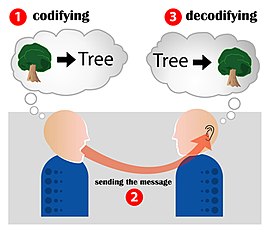 For example, when someone
communicates verbally and mispronounces a word or uses a wrong suffix, why do
they get scolded, ridiculed or laughed at? If the words they know are able to
be communicated to you in a way that you are able to identify and understood,
why do small mistakes in language matter? People trying to master certain
languages may have a problem with others’ verbal mistakes, but, in general, why
are people so picky about how others communicate?
For example, when someone
communicates verbally and mispronounces a word or uses a wrong suffix, why do
they get scolded, ridiculed or laughed at? If the words they know are able to
be communicated to you in a way that you are able to identify and understood,
why do small mistakes in language matter? People trying to master certain
languages may have a problem with others’ verbal mistakes, but, in general, why
are people so picky about how others communicate?
No one is able to speak in a
perfect manner, but almost everyone has the ability to listen, observe and then
interpret other people’s speech. Trying to correct someone else’s fault in
speech is useless. It only shows your own inability to understand human
communication. Stop trying to make people explain their experiences, thoughts, wants,
needs and desires in a way that is perfect for you, and instead, start trying
to become a better listener and interpreter of human communication.
No comments:
Post a Comment